Laser Acne, Acne Scars & Pigmentation Treatment
Laser Acne, Acne Scars & Pigmentation Treatment: Causes, Treatment, and Symptoms
Acne, acne scars, and pigmentation are common skin issues that affect people of all ages, and they can leave lasting marks on the skin if not treated properly. Laser treatment is one of the most effective solutions for addressing these concerns. Here’s a breakdown of what causes these skin conditions, the treatment process, and the symptoms you might experience.
Causes of Acne, Acne Scars, and Pigmentation
-
Acne:
- Hormonal Changes: Hormones can stimulate oil glands, leading to clogged pores and acne.
- Bacteria: *Propionibacterium acnes* can grow in clogged pores, causing inflammation.
- Excess Oil Production: Overactive sebaceous glands can produce too much oil.
- Dead Skin Cells: Accumulation can clog pores and cause acne.
-
Acne Scars:
- Severe Acne: Deep acne breakouts can damage skin tissue.
- Picking or Squeezing: Attempting to pop acne can worsen scarring.
- Skin Healing: Improper healing can lead to depressed or raised scars.
-
Pigmentation:
- Post-Inflammatory Hyperpigmentation (PIH): Dark spots can appear after acne heals.
- Sun Exposure: UV rays can worsen pigmentation.
- Hormonal Imbalances: Conditions like melasma can lead to uneven pigmentation.
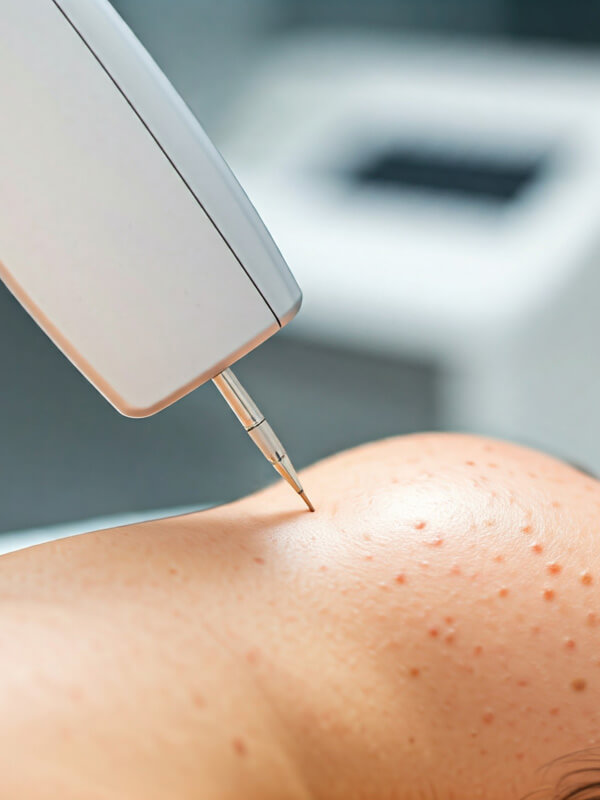
Symptoms of Acne, Acne Scars, and Pigmentation
-
Acne:
- Pimples: Red, inflamed spots, including whiteheads and blackheads.
- Cysts or Nodules: Larger, deeper pimples that are painful.
- Oiliness: Excessive oil on the skin surface.
-
Acne Scars:
- Depressed Scars: Small indentations or "pits" in the skin.
- Raised Scars: Thick, raised scars that are more common in darker skin.
- Discoloration: Red or dark spots where acne lesions once existed.
-
Pigmentation:
- Dark Spots: Brown or black spots left behind after acne heals.
- Uneven Skin Tone: Areas may appear darker or lighter than surrounding skin.
- Melasma or Sunspots: Dark patches in sun-exposed areas.
Laser Treatment for Acne, Scars, and Pigmentation
-
Ablative Lasers:
- Remove the top layers of skin to promote new growth, effective for deep scars and pigmentation.
- Example: CO2 lasers for skin resurfacing.
-
Non-Ablative Lasers:
- Work beneath the skin's surface to stimulate collagen without damaging the top layer.
- Example: Fractional lasers for improving texture.
-
Pulsed-Dye Laser:
- Targets blood vessels, reducing redness and inflammation in acne-prone skin.
- Useful for both active acne and red scars.
-
Q-Switched Lasers:
- Effective for treating pigmentation issues by breaking down melanin clusters.
Benefits of Laser Treatment
- Precision: Targets affected areas without damaging surrounding skin.
- Stimulates Collagen: Helps repair acne scars and improve skin texture.
- Reduces Pigmentation: Breaks down melanin clusters effectively.
- Minimal Downtime: Short recovery time depending on the laser used.
What to Expect During Laser Treatment
- Consultation: A dermatologist evaluates your skin and recommends a treatment plan.
-
Procedure:
- The treatment area is cleansed and protective eyewear is provided.
- The laser device is applied, delivering focused light energy.
- Duration varies based on the size of the area being treated.
-
Aftercare:
- Temporary redness and slight swelling are common.
- Moisturizers and sunscreens are recommended for protection.
- Multiple sessions may be needed for optimal results.
Side Effects of Laser Treatment
- Redness and Swelling: Common and usually subsides within a few days.
- Dryness or Peeling: Skin may feel dry or peel as new cells form.
- Sensitivity to Sunlight: Increased UV sensitivity after treatment.
- Mild Discomfort: Slight discomfort during and after the procedure.