Phototherapy Alopecia
Phototherapy for Alopecia: Causes, Treatment, and Symptoms
Alopecia is a medical term used to describe hair loss. Phototherapy, or light therapy, is an effective treatment for certain types of alopecia, particularly alopecia areata, which leads to patchy hair loss.
Causes of Alopecia
-
Autoimmune Response:
- Alopecia areata is often caused by the immune system mistakenly attacking hair follicles, leading to hair loss.
-
Genetics:
- A family history of alopecia or other autoimmune diseases can increase the likelihood of developing alopecia.
-
Stress:
- High levels of emotional or physical stress can trigger hair loss in some individuals.
-
Hormonal Changes:
- Hormonal shifts, such as those occurring during pregnancy or menopause, can contribute to hair loss.
-
Nutritional Deficiencies:
- Lack of essential nutrients, such as iron, zinc, and vitamins, may lead to hair thinning or loss.
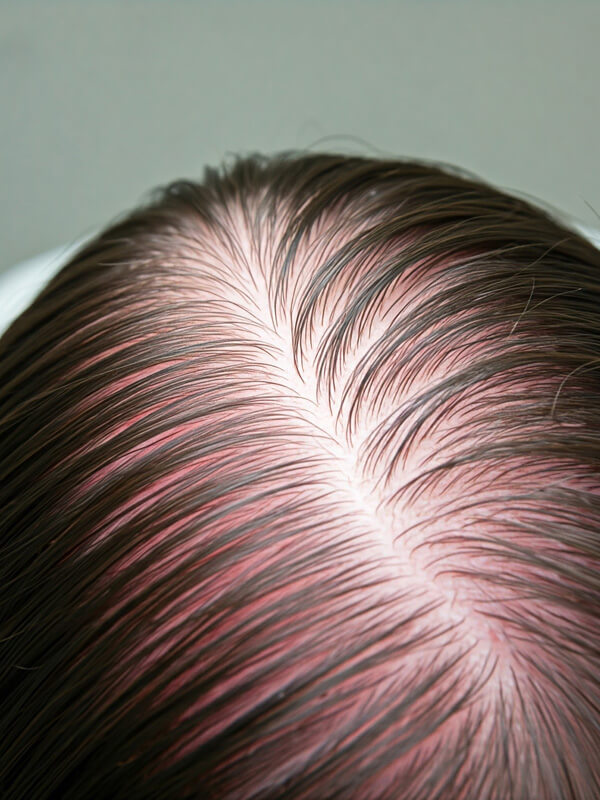
Symptoms of Alopecia
-
Hair Loss:
- Sudden hair loss in patches or complete loss of hair on the scalp or other body areas.
-
Changes in Hair Texture:
- Hair may become thinner or weaker before falling out.
-
Itchy or Burning Sensation:
- Some people may experience discomfort in the affected areas before hair loss occurs.
-
Nail Changes:
- Alopecia can also cause changes in nails, such as pitting or ridges.
Phototherapy Treatment for Alopecia
-
Types of Phototherapy:
- PUVA Therapy: Combines a drug called psoralen with UVA light to help stimulate hair regrowth.
- Narrowband UVB Therapy: A more targeted form of light therapy that uses specific wavelengths of UVB light to encourage hair growth.
-
Treatment Process:
- Consult a dermatologist to evaluate the condition and discuss treatment options.
- Phototherapy sessions are usually held 2-3 times a week, lasting about 15 to 30 minutes each.
-
Expected Outcomes:
- Many patients see improvement in hair growth after several weeks of treatment.
- Results may vary based on the individual’s response to therapy.
-
Aftercare:
- Protect the skin from sun exposure after treatment.
- Follow any additional care instructions provided by the dermatologist.
Benefits of Phototherapy for Alopecia
- Non-Invasive: Phototherapy is a non-surgical treatment option, making it easier for patients to manage.
- Minimal Side Effects: Compared to systemic medications, phototherapy typically has fewer side effects.
- Effective for Certain Cases: It has been found particularly effective for individuals with alopecia areata.
- Stimulates Hair Growth: The light therapy can help stimulate hair follicles and promote hair regrowth in many patients.